What is energy? How is it conserved?
When you hear the word “energy,” what do you think of? Maybe electricity, power, or light, but what about rollercoasters?
Rollercoasters are a great example of the conservation of energy. Conservation means that energy is not created or lost, meaning that there is a constant and finite amount in the world.
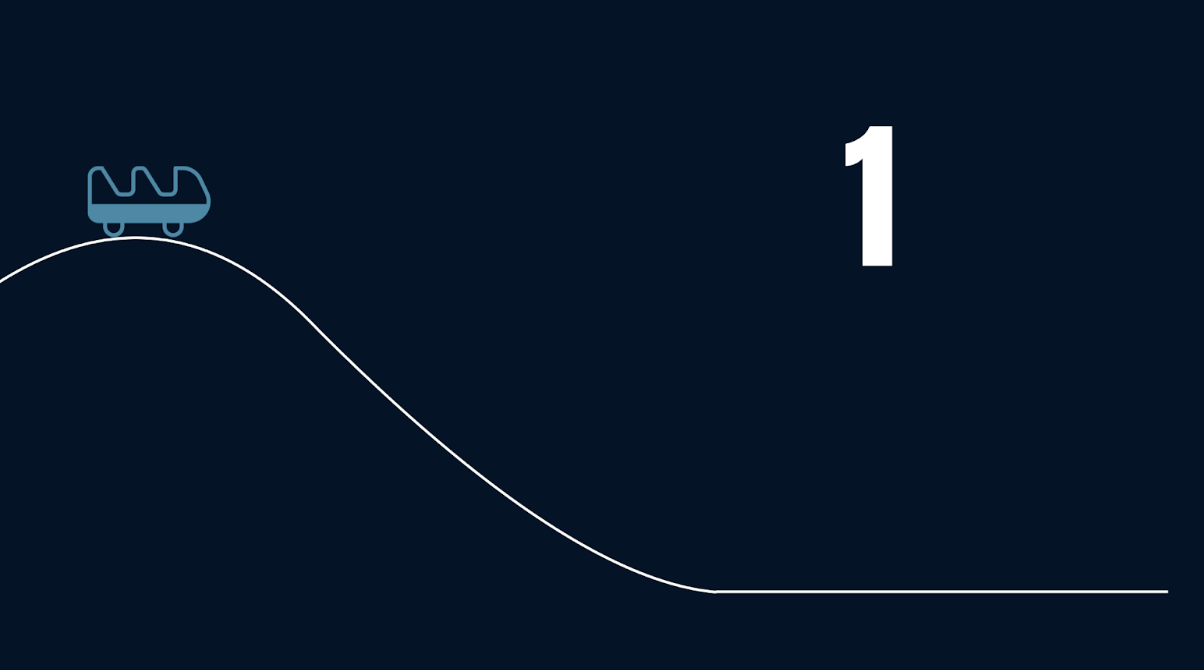
When you start at the top of a roller coaster, after being lifted to that peak, you have a lot of gravitational potential energy. The force of gravity wants to push you down, back towards the ground.
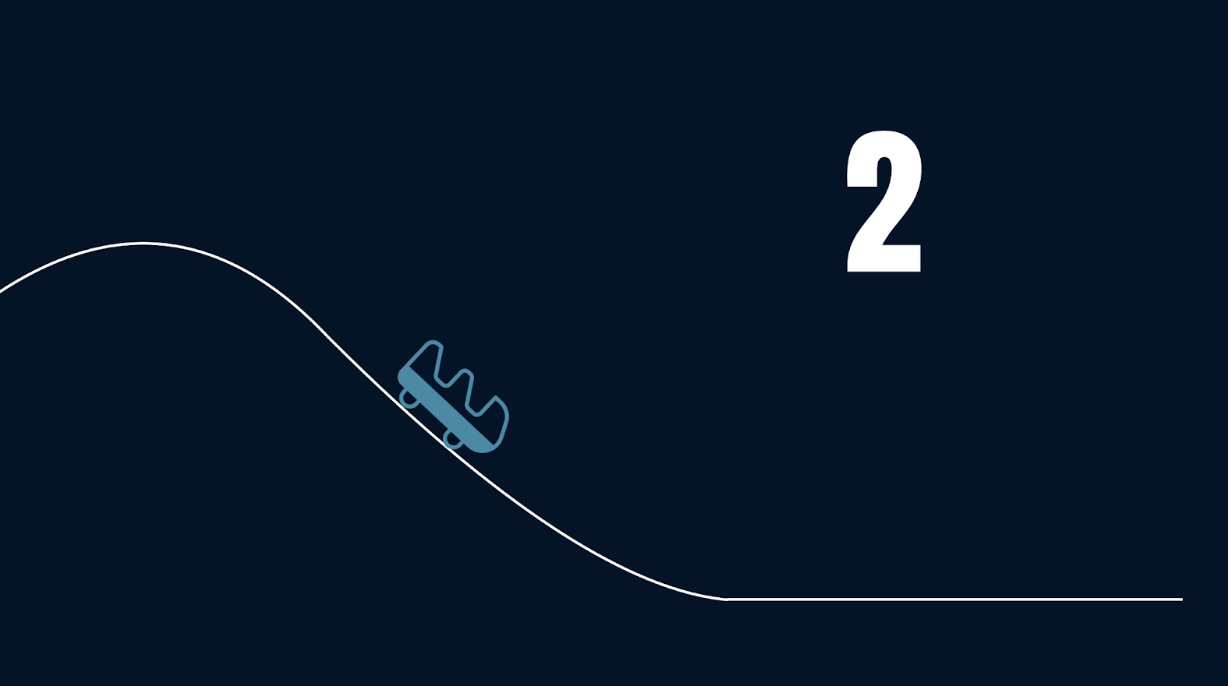
When you start to fall down the track, you are actively moving, meaning you have kinetic or motion energy. But didn’t I just say that energy is constant?
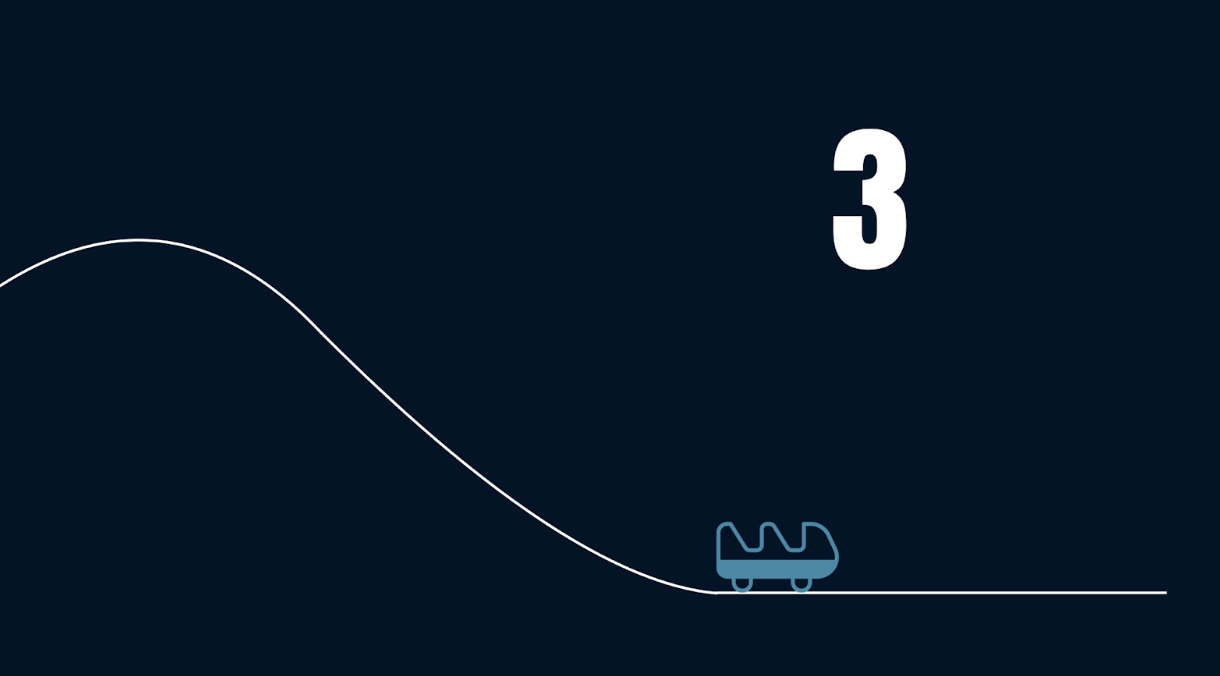
Although energy can’t be lost, it can be changed or transformed. As the coaster cart falls down the track, its change in height decreases. This also means its amount of gravitational potential energy decreases (since it is getting closer to the ground). As this occurs, the cart picks up more speed, which shows an increase in kinetic energy.
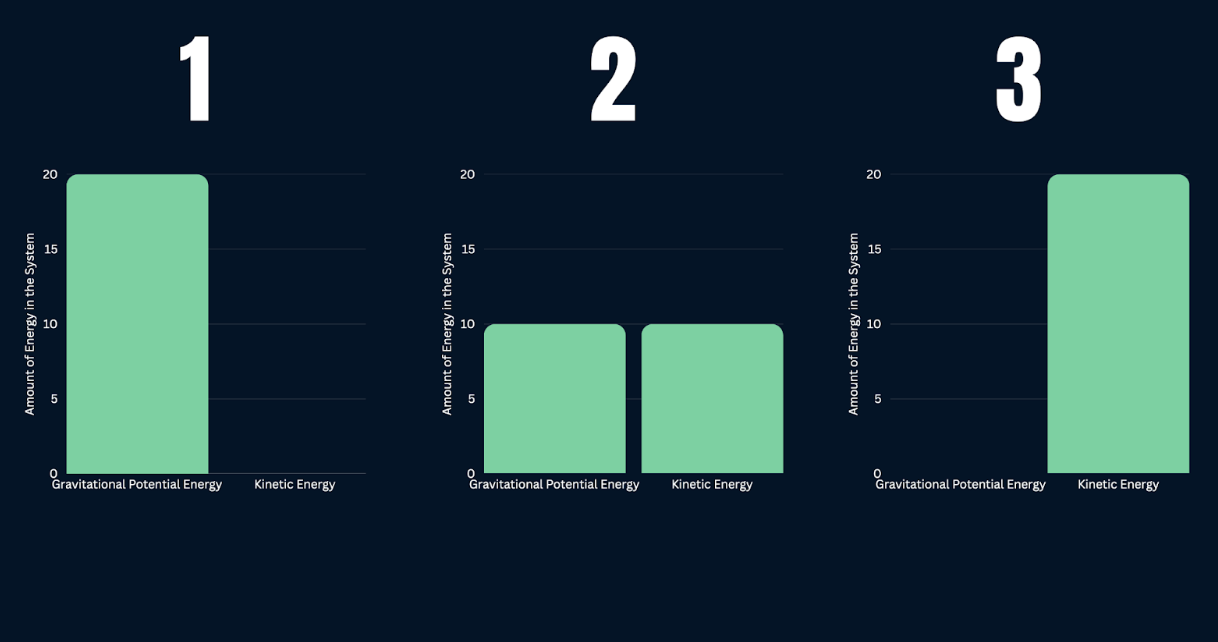
This is best shown with bar charts. At the top of the track, the cart is stationary, and all of its energy is represented by gravitational potential energy. As it falls, it’s moving, so it has kinetic energy, but is still high up, so it has gravitation potential as well. Finally, at the bottom, the coaster cart only has kinetic, since it is no longer off the ground.
If you notice, the total amount of energy in each chart is equal, just represented in different categories; this showcases how energy is conserved.